Exploring the History and Heritage of Webster, Florida
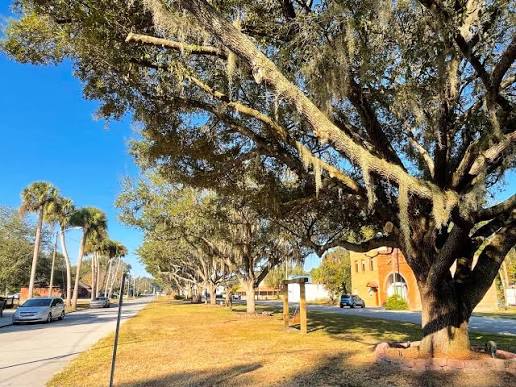
Every town has a story. The history of Webster, Florida, reflects the growth of a small community in Sumter County and its ties to the wider Central Florida region. Its local character comes from its people, its past, and the changes that have shaped daily life over time.
If you enjoy learning about local history, Webster offers a chance to explore a different side of Florida. The area is known for its small-town setting rather than the large theme parks and busy beaches found in other parts of the state. You can learn about its background, explore the surrounding community, and gain a better sense of what makes this place distinct.
This guide covers the history and heritage of Webster, Florida, and offers practical ideas for exploring the area with respect for its local identity.
1. Getting to Know Webster, Florida
Webster is a small city in Sumter County, in Central Florida. Its location connects it to nearby towns and rural areas. The community has a local identity shaped by its history, residents, and place within the region.
Before exploring its heritage, it helps to understand the town's setting. Webster is not a large tourist center. Its appeal comes from its local atmosphere and its connection to the wider area.
Where Webster Fits Into Florida's History
Florida's history includes Native American communities, Spanish rule, territorial growth, settlement, agriculture, transportation, and modern development. Each part of the state has its own story, shaped by geography and local events.
Webster's history forms part of this wider picture. To understand the town, you can look at how Sumter County developed and how smaller communities grew as people built homes, businesses, roads, and public spaces.
For a basic overview of the city's location and background, click here.
A Small Town With a Local Identity
Small towns often build their identity through shared places and community connections. Local businesses, public spaces, and community events can help residents maintain ties with the area.
As you explore Webster, pay attention to these everyday features. They can tell you how the community functions today and how local life differs from that of a larger city.
2. Understanding the Roots of Webster
The story of a town often begins with the people who settled in the area and the resources they used. Land, transport routes, farming, and access to nearby markets have played important roles in the growth of many Central Florida communities.
To explore Webster's past, it helps to consider the regional conditions that shaped settlement across Sumter County.
Settlement and Community Growth
As communities develop, people create homes, shops, roads, and services to meet local needs. Over time, these places become part of the town's shared history.
Webster's story should be viewed within this broader process of community growth. Specific historical claims are best checked through reliable local records, historical societies, and official community sources.
If you want to research a particular event or date, look for records that identify the source and explain the details. This approach helps you separate documented facts from local stories that may lack clear evidence.
The Role of Local Businesses
Local businesses can reveal a great deal about a town's development. Shops and service providers help residents meet daily needs and can connect the community with nearby areas.
When you visit Webster, look at how local businesses serve residents. Current businesses are part of the town's living story, even though they may not be historic landmarks.
Remember that a business's age and history should be confirmed before you describe it as a heritage site. Ask owners or check public records if you want to learn more about a particular location.
3. Sumter County and the Wider Regional Story
Webster's heritage does not exist on its own. Its development is linked to the history of Sumter County and Central Florida. The region has changed as communities expanded, transportation improved, and land use shifted over time.
How the Region Has Changed
Central Florida includes rural communities, agricultural areas, growing residential neighborhoods, and commercial centers. These different settings show how land and local economies can change across generations.
Sumter County has its own history of settlement and community development. Learning about the county can help you place Webster in context and understand how nearby towns relate to one another.
You can explore local libraries, county history collections, and public records for more detailed information. These sources may include historic photographs, maps, newspaper articles, and records of community events.
The Importance of Transportation
Roads and transport links can influence where people live, work, and shop. Better connections with nearby communities may make it easier for residents to reach services and for businesses to serve a wider area.
When researching Webster, consider how local routes connect the city with the rest of Sumter County. Historic maps can help you compare older routes with the current road network.
Do not assume that a road or building has remained unchanged over time. Check dated maps and records before drawing conclusions about how the area developed.
4. Discovering Webster's Community Heritage
Heritage includes more than old buildings and dates. It also includes traditions, local knowledge, family stories, and the places where people gather.
The community's current way of life can help visitors understand its identity. Respectful conversations and careful research are useful ways to learn about local heritage.
Community Events and Traditions
Local events can bring residents together and help preserve shared customs. Markets, seasonal gatherings, and community activities may also give visitors a chance to learn about the area.
Event schedules can change from year to year. Check current local announcements before you make plans to attend a specific event.
If you speak with residents, ask open questions and listen to their experiences. Personal stories can add context, but treat them as individual memories rather than proof of every historical detail.
Family and Local Stories
Family stories often preserve memories of how a town looked in the past. Residents may remember old shops, changes to roads, school life, or events that affected the community.
These stories can be valuable, especially when you compare them with written records and photographs. If you plan to publish information about a person or family, ask permission before sharing private details.
This respectful approach helps protect people's privacy while allowing local history to be recorded for future readers.
5. How to Explore Historic Places Around Webster
A heritage visit does not need to be complicated. You can start with a short list of places and sources that help you understand the area.
Before visiting a building or site, confirm that it is open to the public. Some historic properties are privately owned or may not offer visitor access.
Look for Historic Buildings and Public Spaces
Older buildings can show how construction styles and community needs have changed. Public spaces can also help you understand how people use the town today.
However, age alone does not make a building an official historic landmark. Check local records or historical listings before describing a place as protected or historically significant.
Follow posted signs and stay within public areas. Do not enter closed buildings or private property without permission.
Visit Local Libraries and Historical Collections
Libraries and local history collections can offer useful information about Webster and Sumter County. You may find old maps, newspapers, photographs, town records, or books about the region.
Ask library staff whether they have local history materials or know of reliable sources. Take notes on publication dates and source names so you can return to the information later.
If you take photographs of documents, follow the library's rules. Some materials may have limits on photography or copying.
6. What Webster's Heritage Means for Visitors Today
History can help you understand the present. A town's past may explain why certain roads follow a particular route, why local businesses developed in a certain area, or how community traditions began.
Respect the Local Community
Webster is a place where people live and work, not just a destination for visitors. Keep noise under control, follow parking rules, and avoid blocking entrances or driveways.
If you visit a public event, follow the organizers' instructions. Ask before photographing people, private homes, or personal property. These simple actions show respect for residents.
Support Local Businesses
Buying from local businesses can help support the community. You might choose a local restaurant, shop, or service provider during your visit.
Check opening hours before you go, since smaller businesses may have limited schedules. Read current information rather than relying on old listings.
Keep the area clean and place rubbish in proper bins. Respectful tourism helps protect the places that residents value.
7. Planning a Heritage Visit to Webster
A little planning can make your visit easier. Start by deciding what you want to learn. You might focus on local history, community life, regional development, or places that have historical records.
Prepare Before You Arrive
Check the weather, road conditions, and opening hours for the places you plan to visit. Florida weather can bring heat, rain, and storms, so pack suitable clothing and carry drinking water.
If you plan to visit several locations, check the distance between them. A car may be useful because transport options can vary across smaller communities.
Keep a flexible schedule. Some places may close early or require an appointment. Confirm access before you travel.
Use Reliable Sources
For a stronger understanding of Webster's past, compare more than one source. County records, library collections, historical publications, and official government websites can help you confirm key facts.
Be careful with dates or stories that appear on websites without supporting details. If two sources disagree, look for the original record or a more reliable account.
For additional local information and visitor ideas, learn more.
8. Final Thoughts on Webster's History and Heritage
Exploring the history and heritage of Webster, Florida, is a chance to learn about a small Central Florida community and its place within Sumter County. Its story connects with wider themes of settlement, transportation, local business, and community growth.
You do not need a packed itinerary to make the most of your visit. Start with reliable local information, explore public places with care, and take time to understand the community around you.
Whether you live nearby or travel from another state, approach Webster with curiosity and respect. Use trusted sources to confirm historical details, support local businesses when possible, and leave the places you visit clean and undisturbed. These habits help you enjoy the area while respecting the people who call it home.