Maintaining Healthy Trees in Webster, FL Through Every Season
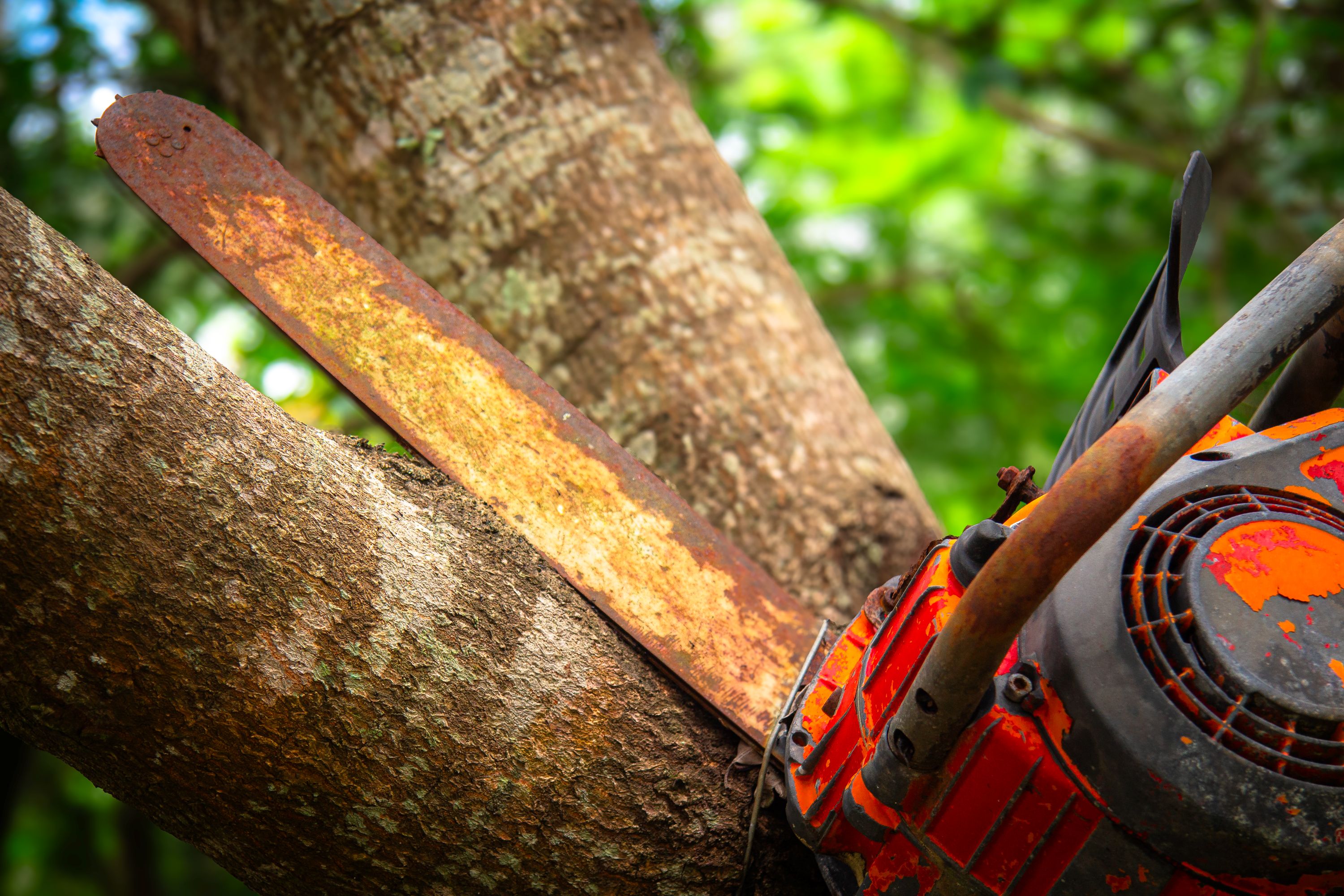
Healthy trees add shade, beauty, and value to your property. They also support local wildlife and help outdoor spaces feel comfortable. In Webster, Florida, trees face heat, heavy rain, strong winds, and seasonal changes. Regular care helps them handle these conditions and grow well.
If you own a home or business in Webster, tree maintenance should be part of your property care plan. The right steps can help you spot problems early, protect nearby structures, and keep your yard clean. This guide explains how to care for trees throughout the year and when to seek help from a trained tree care professional.
Why Seasonal Tree Care Matters in Webster, FL
Florida's climate creates specific challenges for trees. Warm weather can support growth, but heat and dry periods may place stress on roots and leaves. Heavy rain can soften the soil, while strong winds may break weak branches.
A seasonal plan helps you respond to these changes. Instead of waiting for visible damage, you can check your trees on a regular schedule and address concerns before they grow.
Protect Trees From Weather Stress
Weather can affect trees in different ways. Dry soil may limit the water available to roots. Saturated soil can reduce root stability in some conditions. Strong winds may expose weak branches or damage trees with existing problems.
Walk around your property and check for changes after major weather events. Look for hanging branches, new cracks, leaning trunks, or exposed roots. Keep people away from damaged trees until a qualified professional can assess the risk.
Keep Your Property Safe
Tree care is also part of property safety. Branches that hang over roofs, driveways, walkways, and parking areas may pose a risk if they break.
Check the space around your home or business. Make sure trees do not block signs, lights, or paths. If a large branch appears weak, arrange a professional inspection rather than trying to remove it yourself.
Spring Tree Care: Support New Growth
Spring is a useful time to review the condition of your trees. As new leaves and shoots appear, you can look for signs of healthy growth and identify problems that need attention.
Inspect Branches and Leaves
Check the crown, trunk, and visible roots of each tree. Look for dead branches, split limbs, unusual leaf spots, or areas with little new growth. These signs do not always point to a serious issue, but they deserve attention.
Compare the tree with its usual condition. If one side has lost many leaves or several branches have died, consider asking an arborist for advice.
Prune With a Clear Purpose
Pruning can remove dead or damaged branches and improve a tree's structure. However, the right method depends on the tree species, age, health, and season.
Avoid cutting large sections of the crown just to make a tree look smaller. Heavy pruning can weaken the tree and increase stress. A qualified tree care professional can decide which branches need removal and how to make proper cuts.
Check Soil and Mulch
Roots need air, water, and room to grow. Keep heavy equipment and repeated foot traffic away from the main root area when possible.
A layer of organic mulch can help protect soil moisture and reduce weeds. Spread mulch across the root zone where practical, but keep it away from direct contact with the trunk. Thick piles of mulch against the bark can hold excess moisture and harm the tree.
Summer Tree Care: Manage Heat and Water
Summer in Webster often brings high temperatures, humidity, and periods of heavy rain. Trees may need extra attention during dry spells, especially if they are young or were planted within the last few years.
Water Trees Based on Their Needs
Newly planted trees need regular watering while their roots become established. Older trees may need less help, depending on the species, soil, and weather.
Check the soil before watering. If it feels dry below the surface, water the root area slowly so moisture can reach the soil around the roots. Avoid shallow, frequent watering that only wets the top layer.
Do not assume trees need extra water after every hot day. Too much water can also harm roots, especially in poorly drained soil. Adjust your watering plan based on rainfall and soil conditions.
Watch for Signs of Heat Stress
Heat stress may cause wilting, leaf scorch, early leaf drop, or dry leaf edges. These symptoms can also result from pests, disease, or root problems.
Check the full tree before deciding what is wrong. If symptoms continue or spread, ask a qualified professional to inspect the tree. Avoid applying fertilizer or chemical treatments without a clear reason.
Prepare for Summer Storms
Summer storms can bring strong winds and heavy rain. Before storm season, check for dead limbs, damaged branches, and trees that lean more than they did before.
Keep outdoor areas clear of loose items that could become hazards during strong winds. Do not attempt to cut branches near power lines. Contact the utility company or an approved professional when electrical hazards are involved.
Fall Tree Care: Review Tree Health
Fall offers another chance to assess tree health and prepare your property for changing weather. Although Webster does not experience the same cold conditions as northern states, seasonal changes can still affect tree growth and maintenance needs.
Remove Dead or Damaged Branches
Inspect trees for branches that broke during summer storms. Dead wood may remain in the crown long after the original damage occurs.
Do not climb trees or use a ladder to reach high branches. Branches under tension can move without warning. A trained tree care crew has the equipment and skills needed to manage difficult pruning work.
Check for Pests and Disease
Look for holes in bark, unusual growths, damaged leaves, or signs of insect activity. Some insects are harmless, while others can damage trees or spread disease.
Avoid treating every insect as a threat. Identify the problem before choosing a treatment. Local extension services and qualified arborists can help you learn which pests affect trees in your area.
Keep Roots Clear of Damage
Construction, digging, and heavy vehicles can damage roots even when the trunk and branches look healthy. Before starting a property project, identify nearby trees and protect their root zones.
If your project includes grading, trenching, or changes to drainage, consider how the work may affect nearby trees. Planning ahead can help you avoid damage that may not become visible for months.
Winter Tree Care: Plan and Maintain
Webster has mild winters compared with many other parts of the country. Even so, winter is a useful time to review tree structure, plan maintenance, and address problems that remain after storm season.
Inspect Tree Structure
Look for cracks in major limbs, damaged trunks, and branches that cross or rub against one another. These issues can affect tree health and create safety concerns.
Some trees benefit from pruning during specific periods of the year, but there is no single schedule for every species. Ask a qualified arborist when pruning is suitable for your tree and its current condition.
Protect Young Trees
Young trees may need support while their roots develop. Check stakes and ties if you use them. They should support the tree without cutting into the bark or restricting trunk movement.
Remove support systems when the tree no longer needs them. Long-term staking can interfere with normal trunk development.
Plan Upcoming Work
Use the quieter season to list the work your property needs. You may need to schedule pruning, inspect trees near buildings, or replace a tree that cannot be saved.
If you manage a commercial property, include tree inspections in your maintenance schedule. Clear walkways, safe parking areas, and timely removal of fallen branches can reduce hazards for visitors and staff.
Common Tree Care Mistakes to Avoid
Even well-intended maintenance can harm trees when you use the wrong methods. Avoid these common mistakes to support long-term tree health.
Avoid Cutting Too Much
Removing too many branches can reduce a tree's ability to produce energy. It can also expose the trunk and larger limbs to sun damage. Prune only when there is a clear reason, and follow proper methods.
Do Not Ignore Drainage Problems
Standing water near a tree may point to poor drainage or changes in the landscape. Excess water can affect roots and weaken some trees over time.
Check whether water collects after rain. If the problem continues, seek advice before adding soil or changing the ground level around the trunk.
Do Not Attempt Dangerous Tree Work
Large limbs, tall trees, chainsaws, and overhead power lines create serious hazards. A branch may fall in an unexpected direction, even when it looks easy to remove.
Leave complex pruning and hazardous tree removal to trained professionals with suitable equipment and insurance. Keep children and pets away from the work area until the site is safe and clean.
When to Call a Tree Care Professional in Webster, FL
Routine checks can help you notice problems, but some concerns need expert attention. Contact a qualified tree care professional if you see major cracks, large dead branches, root damage, sudden leaning, or storm damage near a building.
A professional can assess the tree's condition and explain whether pruning, monitoring, or removal is the safest option. Ask about the planned work, safety measures, cleanup, and disposal of branches before the job begins.
For information about tree care services in the area, you can visit here. Review the services offered and contact the provider to discuss your property's needs.
Build a Year-Round Tree Care Routine
A simple routine can make tree care easier. Walk around your property several times a year and check trunks, branches, leaves, and the soil around each tree. Repeat the inspection after strong storms or major changes to the landscape.
Keep notes about trees that show signs of stress. Record when you notice changes and take photos from a safe distance. This information can help a tree care professional understand how the tree has changed.
If you want to explore more about the local area, learn more about Webster, Florida, and its community heritage.
Healthy trees need attention throughout the year. With careful watering, proper pruning, storm preparation, and regular inspections, you can support tree health and protect the spaces around your home or business.